Choosing the right Frameless Glass system in 2026 involves more than comparing clear panels and polished edges. Each glass type changes light, privacy, safety, maintenance, and visual comfort. A bright shower enclosure may benefit from ultra-clear low-iron glass, while a busy office needs stronger acoustic control and controlled reflections. These differences become obvious when sunlight crosses a room or fingerprints gather near a door handle.
This guide examines the leading frameless glass types expected to shape residential and commercial design in 2026. It considers tempered, laminated, low-iron, frosted, tinted, patterned, and smart glass options. Safety performance remains essential. Installation quality matters just as much. A premium panel can still fail visually when measurements are inaccurate or hardware is poorly aligned.
There is no universal winner. That point deserves attention. A designer may prefer maximum transparency, while a homeowner may value privacy and easier cleaning. Some product labels also sound impressive but offer limited technical detail. Reliable decisions require verified specifications, experienced fabricators, suitable hardware, and clear maintenance guidance. Regional standards should be checked before installation.
Real project experience often reveals what product brochures omit. Edges can show minor green tones, condensation can expose ventilation problems, and heavy doors may need frequent adjustment. These details are not glamorous. They are important. By comparing each glass type through performance, appearance, cost, and practical limitations, readers can choose a solution that looks refined and works consistently over time.
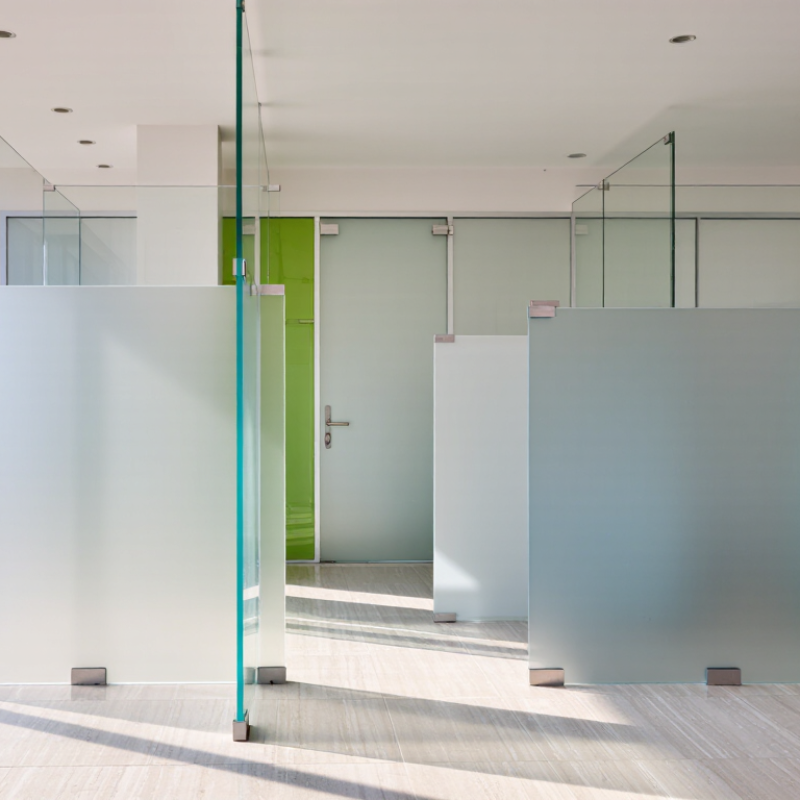
In 2026, “frameless glass” describes a design with little or no visible perimeter framing, not a sheet floating without support. Panels are held by discreet clamps, channels, hinges, or point fixings. The glass edges remain exposed, so accurate cutting and polishing matter. A tiny chip can stand out against a clean bathroom wall or balcony view.
The right construction depends on where the glass will be used. Shower screens commonly use toughened safety glass, while some guards and partitions may require laminated glass or a combination chosen for the specific application. Thickness, panel size, fixing method, and nearby surfaces all affect performance. These details should be checked by a qualified glass professional; appearance alone cannot show whether a panel is adequately supported. Hardware still needs careful planning.
Frameless systems can include shower enclosures, interior partitions, balustrades, and sliding doors. Each brings different practical demands. A hinged shower panel needs clearance and reliable seals; a large partition needs stable, accurately aligned fixings. Even installation tolerances matter. A wall that looks straight may not be. Frameless glass can feel open and precise, but it is not automatically simpler or safer than framed glass. The honest choice begins with measurements, intended use, and maintenance expectations—not just the view.
It means little or no visible perimeter framing. Discreet clamps, channels, hinges, or point fixings still support each panel. The glass is not floating.
Common uses include shower screens, room partitions, balustrades, and sliding doors. Each application needs different measurements, hardware, and safety specifications.
No. Safety depends on glass type, thickness, panel size, fixings, and installation quality. A clean appearance proves very little.
Tempered glass handles everyday impacts and temperature changes better than ordinary glass. When broken, it usually forms small fragments instead of long, sharp shards. It is not unbreakable.
No. Cutting and drilling must happen before tempering. Measure the opening and confirm every fitting carefully. One wrong hole can spoil the panel.
Use a soft cloth and non-abrasive cleaner. Check hinges and seals if the panel rattles or shifts. Never force a misaligned door.
Low-iron glass reduces the green edge tint found in ordinary clear glass. White tiles and pale stone usually look closer to their real colors. The difference becomes obvious beside bright daylight.
No. Thickness, coatings, lighting, and panel size can change its appearance. A showroom sample may look nearly colorless, while warm evening light reveals green tones. That deserves checking.
Confirm the intended use, measurements, thickness, glass type, edge finish, and hardware capacity. Check nearby walls and surfaces too. A wall may look straight but still need tolerance adjustments.
Frameless panels leave their edges visible. Accurate polishing improves the appearance and reduces attention on tiny imperfections. Even a small chip can stand out against a clean bathroom wall.
In 2026, Frameless Glass is defined by clean lines, minimal framing, and advanced glass technology that combines beauty with practical performance. It creates open, modern spaces while supporting safety, comfort, and flexible design requirements. Tempered glass remains a popular choice for everyday applications because it offers increased strength and improved safety compared with standard glass. For areas requiring additional protection, laminated glass provides a strong layered structure that can help improve security, reduce sound transmission, and hold together more effectively if damaged.
Low-iron glass is valued for its exceptional clarity and neutral appearance, making colors look more natural and helping interiors feel brighter and more spacious. Smart and decorative glass adds another level of flexibility by allowing users to adjust privacy, light control, or visual style when needed. Together, these glass types give architects, designers, and homeowners more ways to create elegant, functional environments that reflect the changing expectations of modern spaces.

 Jiaerbe Glass